from 0 review
4 weeks & 4 days
No Cancellation
10 people
English

All volunteers have the choice of adding our “Top Up Travel” option to their volunteer experience, in which a full itinerary and travel guide is provided. Adding this option ensures the best experiences in seeing natural wildlife and immersing in Uganda’s culture.
Volunteers will be staying in a large and fully serviced guest home within the Mokono District which houses up to 30 volunteers at a time. Volunteers will be provided with all basic necessities at their homestay and have the option of using the communal sitting area and kitchen
Matooke: This is arguably Uganda's most famous dish. Matooke is a type of green banana that's steamed or mashed and served as a starchy staple. It's incredibly versatile and often accompanies stews, sauces, and grilled meats. Think of it as a comforting and filling base for many meals. Posho (Ugali): Made from maize flour, posho is another staple food similar to a stiff porridge. It's typically eaten with the hands and used to scoop up sauces and stews. It's a simple but essential part of the Ugandan diet. Cassava: This root vegetable is widely grown and consumed in Uganda. It can be boiled, roasted, or ground onto flour and used in various dishes Rice: Rice is becoming a staple food in Uganda especially in urban areas. Uganda grows both upland rice (rain-fed, can grow in drier areas) and paddy rice (swamp/lowland). Rolex: : A quick and tasty single-portion meal, perfect for any time of day - breakfast, lunch, supper, or a snack. Chapati: The soft, flatbread that acts as the wrap. Eggs: Usually 2-3 eggs per Rolex, whisked into an omelette. Vegetables: Typically includes chopped tomatoes, onions, and shredded cabbage. Some vendors might also add green peppers, carrots, or fresh coriander. Optional additions: Over time, variations have emerged that include meat (like minced beef or chicken), cheese, avocado, and different spices.

Purpose
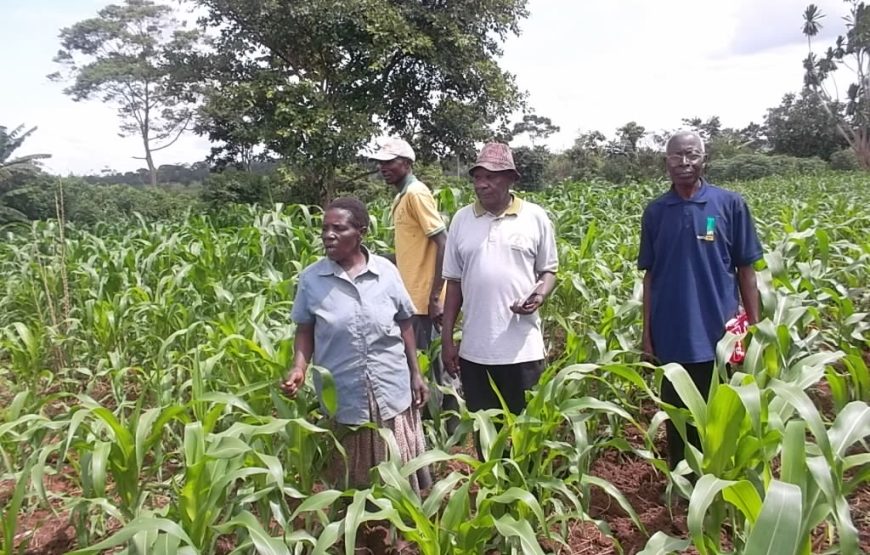
The Mukono District Farmers’ Association (MDFA) program is designed to enhance the agricultural productivity, economic stability, and overall well-being of farmers within the Mukono District. The program focuses on empowering farmers through a variety of support mechanisms, training initiatives, and linkage to resources and stakeholders.

Duration
4 weeks & 4 days

Program Fees
Volunteer Hours
up to 6 hours per day

Accommodation
Local Guesthouse

Member Since 2024


