from 0 review
Between 3-12 weeks
No Cancellation
15 people
English
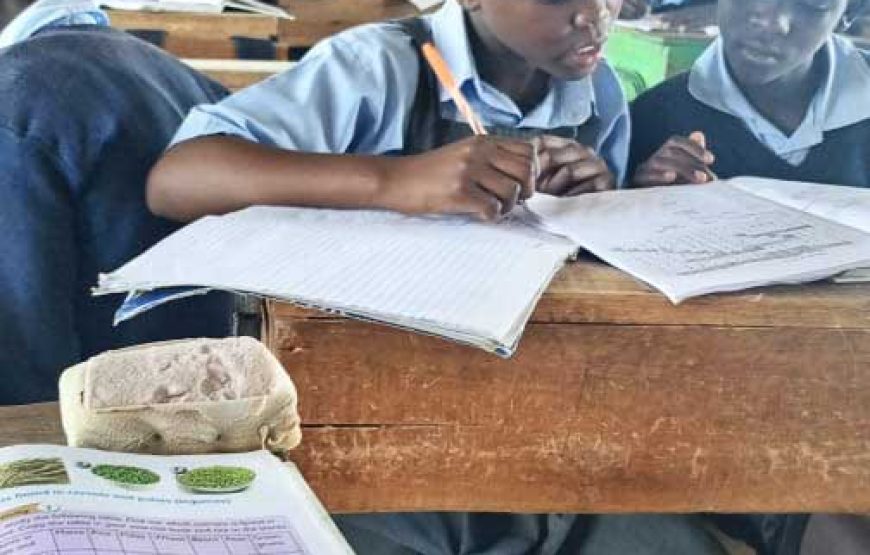
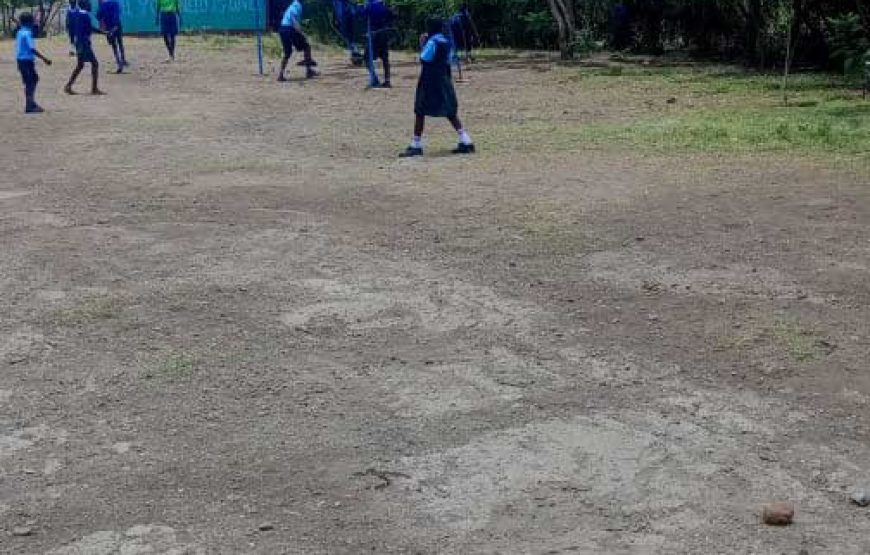
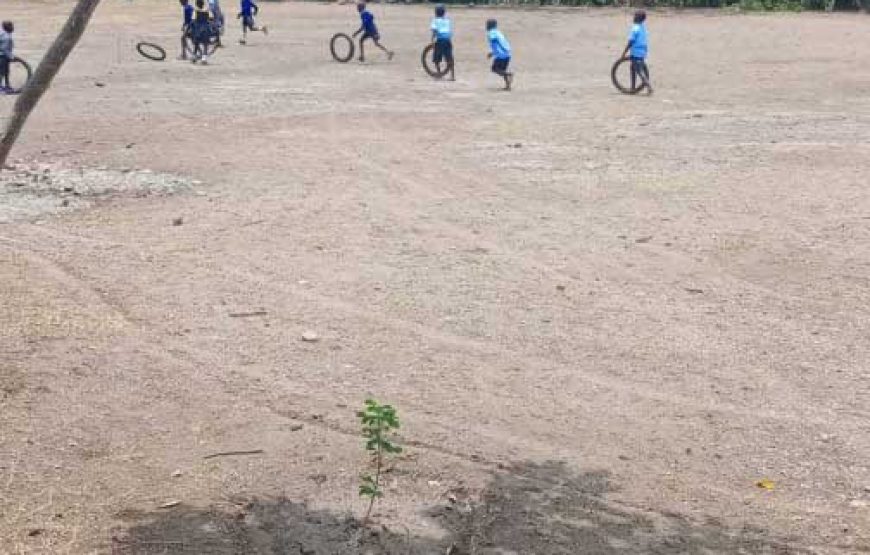
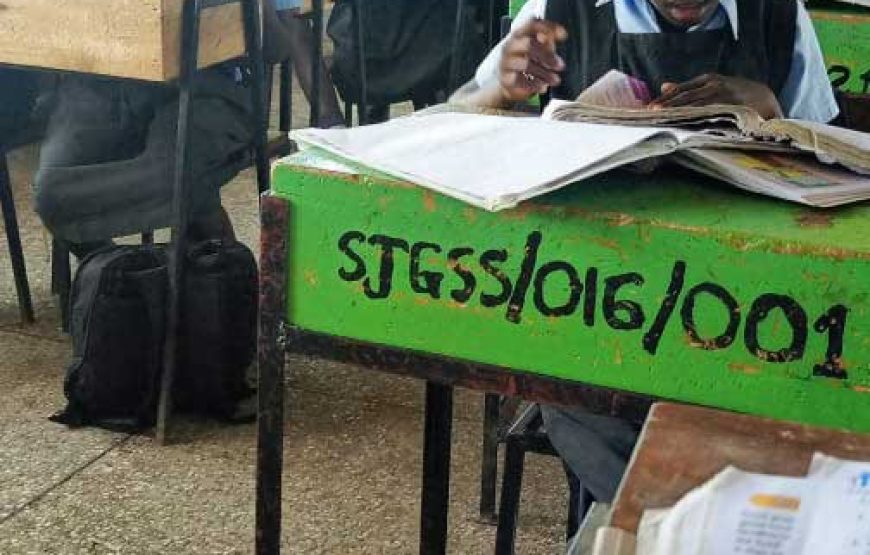

You will be escorted to your placement by one of our local staff members.
The school operates from Monday to Friday and volunteers can expect to work a minimum of 4 hours per day. Work and hours at the placement are dependent on the project and placement that each volunteer is working at, but a typical volunteer day would be as follows:
Breakfast at the homestay
Volunteers travel to their placements and meet with the placement staff. There is usually a morning tea break and lunch break.
Work at the placement usually ends. Volunteers are free to travel back to their homestays, go sightseeing or do some shopping.
Dinner with host family at homestay
On weekends, volunteers can take the opportunity to relax and travel.
There are several islands located within Homabay which can be accesses by boat including Mbita Island. Other fascinating destinations include Kisumu City, Kisumu Museum, Kisumu Impala Sanctuary, Kajulu Hills, The Crying Stone, Kakamega Rainforest, Homa Bay, Port Victoria, and Kit Mikayi. There are also beautiful Islands located within Lake Victoria including: Ndere Island, Rusinga Islands, Maboko Island. Mfangano Island, and Takawiri Island.
Long weekends can be taken to travel further afield including to Mombasa, Uganda or Tanzania, or to embark on a safari.
All volunteers have the choice of adding our “Travel Top Up” option to their volunteer experience, in which a full itinerary and travel guide is provided. Adding this option ensures the best experiences in seeing natural wildlife and immersing in the authentic Luo culture.
Volunteers will be assigned to stay with a host family within walking distance from the Wamwanga Primary School. Life on Rusinga Island is peaceful and connected to nature, but it may differ from urban or Western living standards:
Staying with a host family allows you to embrace a slower, more mindful lifestyle.
The wide range of Kenyan tribes, ethnicities and cultures are reflected in the diversity of the local cuisine. Volunteers are provided with three meals a day which are served at the accommodation and tend to be rich in carbohydrates.
Breakfast generally consists of chai tea, coffee, toast, fruit and sometimes mandazi - African donuts. A typical lunch can include vegetables and lentils with rice, occasional meat and fruit. Dinner typically includes traditional food, such as ugali; a cornmeal porridge, mboga; a vegetable dish, irio; mashed potatoes with peas and corn, meat and vegetables.
Tap water is not safe to drink in Kenya, though bottled water is readily available. Volunteers typically drink around half a gallon, or two liters per day, which costs around US$15 a week. If you have any special dietary requirements, please make a note on your application so arrangements can be made. Vegetarian and vegan options are also available for this program. However, it is important that volunteers should not expect to eat as they normally do at home.

Purpose
To help improve the quality of education and international exposure for the youths in Rusinga Island, Kenya

Duration
Choose between 3-12 weeks

Age
Volunteers 18 + and families

Program Fees
$100
Volunteer Hours
Between 3-5 hours per day

Accommodation
Local Homestay

Who should apply for this program?
If you are an individual who values education, cultural connection, and community building, this program could be a life-changing experience for both you and the children you support. Previous experience in teaching is not required for this program however, it is strongly recommended that you gain some understanding of teaching prior to your arrival in Kenya.
India – Kanpur, Uttar Pradesh


